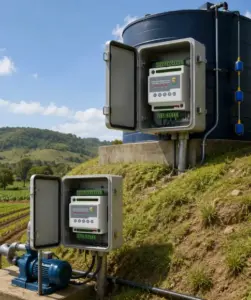
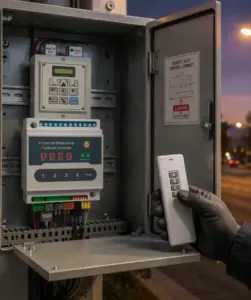
With the deep integration of digital technologies such as the Internet of Things (IoT) and big data into agricultural production, traditional agriculture is accelerating its transition towards precision and intelligence. Smart agriculture has become a core lever for building an agricultural powerhouse. The “National Smart Agriculture Action Plan (2024–2028)” issued by the Ministry of Agriculture and Rural Affairs in 2024 further clarified the development path for smart agriculture. As a core supporting technology for smart agriculture, IoT is not merely about connecting devices; rather, through full-chain data collection, analysis, and application, it achieves value reconstruction from the production end to the consumption end, addressing the pain points of traditional agriculture, such as “high reliance on manual labor, low efficiency, and weak trust.” Its applications have deeply penetrated all fields, including protected agriculture, field planting, livestock and aquaculture, and agricultural product circulation, forming a multi-scenario implementation landscape.
I. Production End: Data-Driven Precision Management to Solve Traditional Planting Pain Points
The production phase is the core scenario for IoT empowerment. Through a closed-loop system of environmental sensing, intelligent decision-making, and automated control, it achieves a fundamental shift in agricultural production from “experience-driven” to “data-driven,” yielding significant results in cost reduction and efficiency enhancement.
1. Protected Agriculture: Intelligent Environmental Regulation and Significant Reduction in Labor Costs
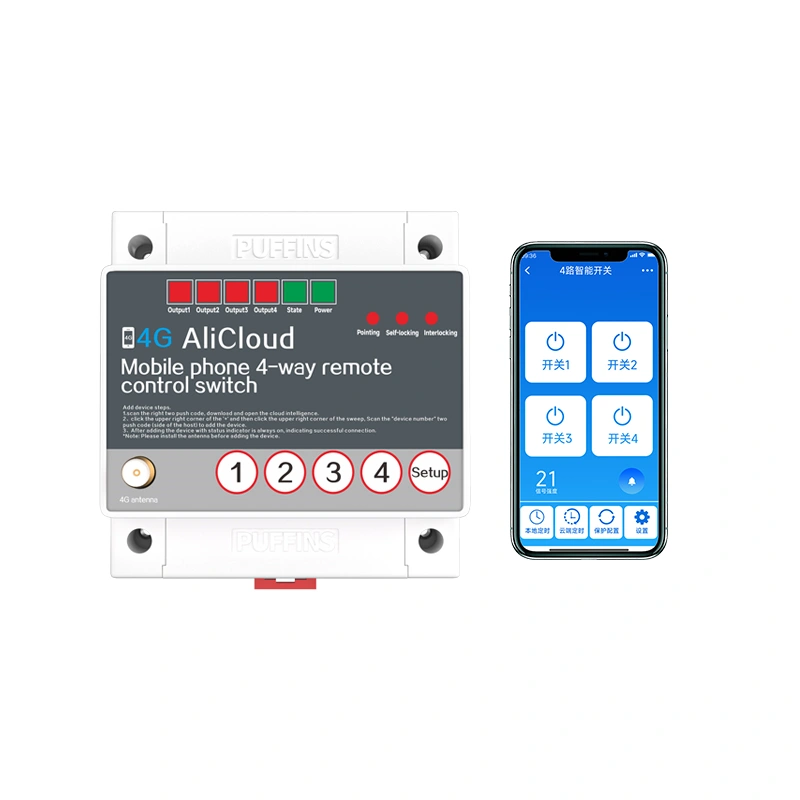
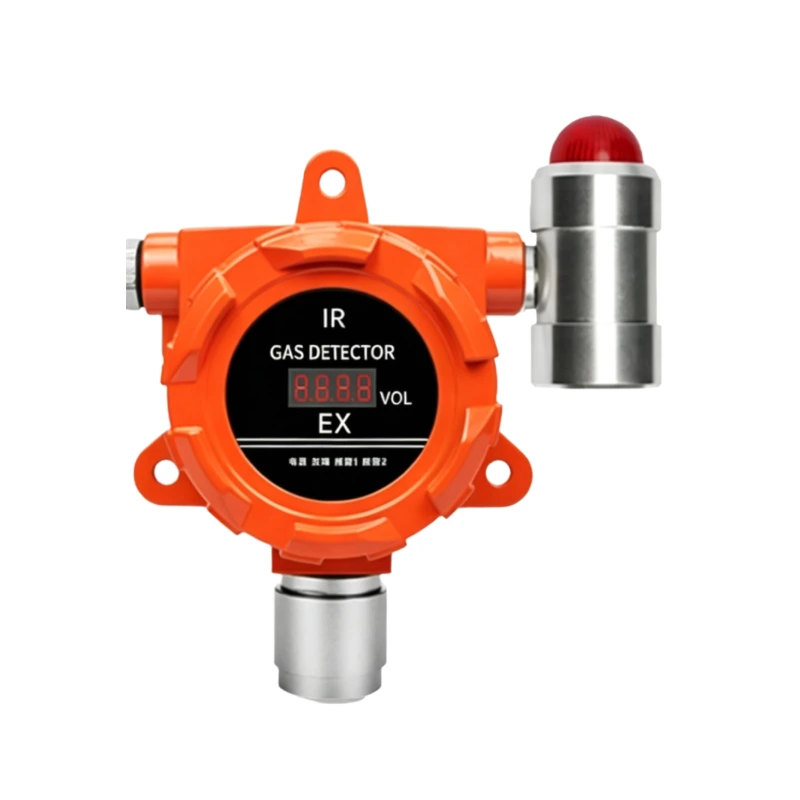
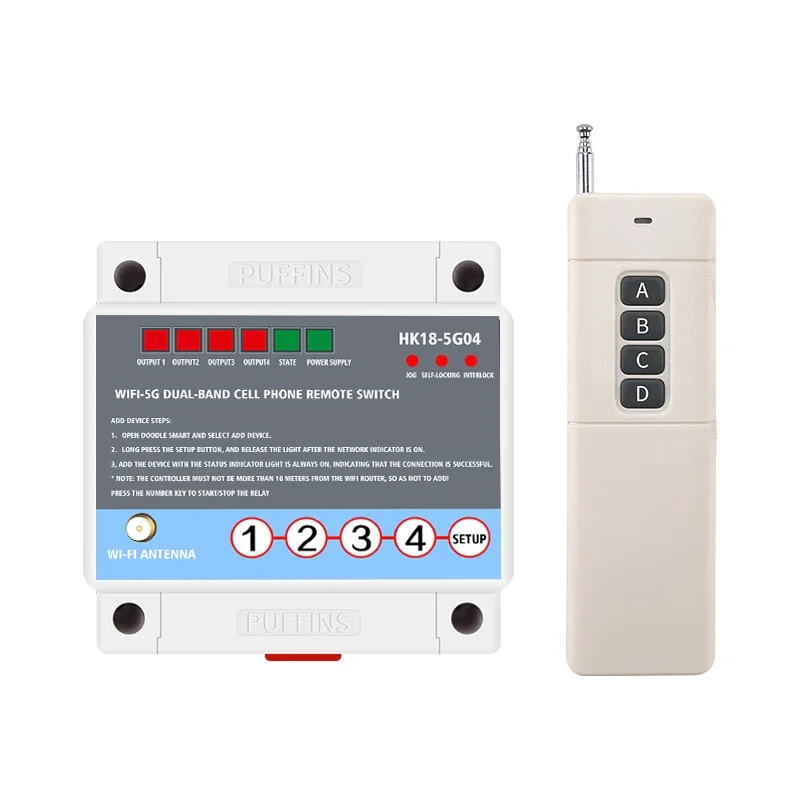
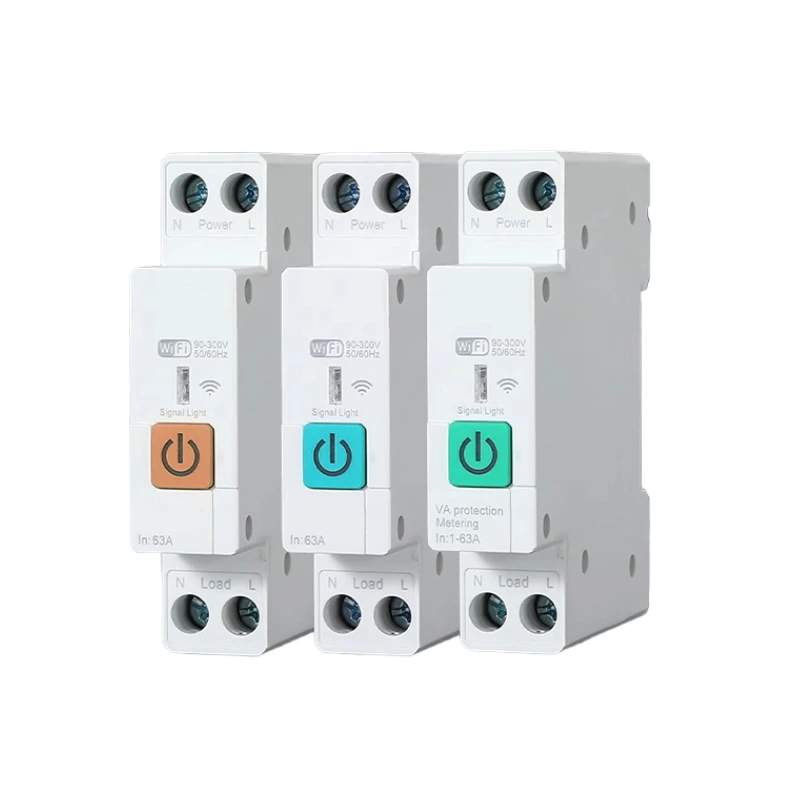
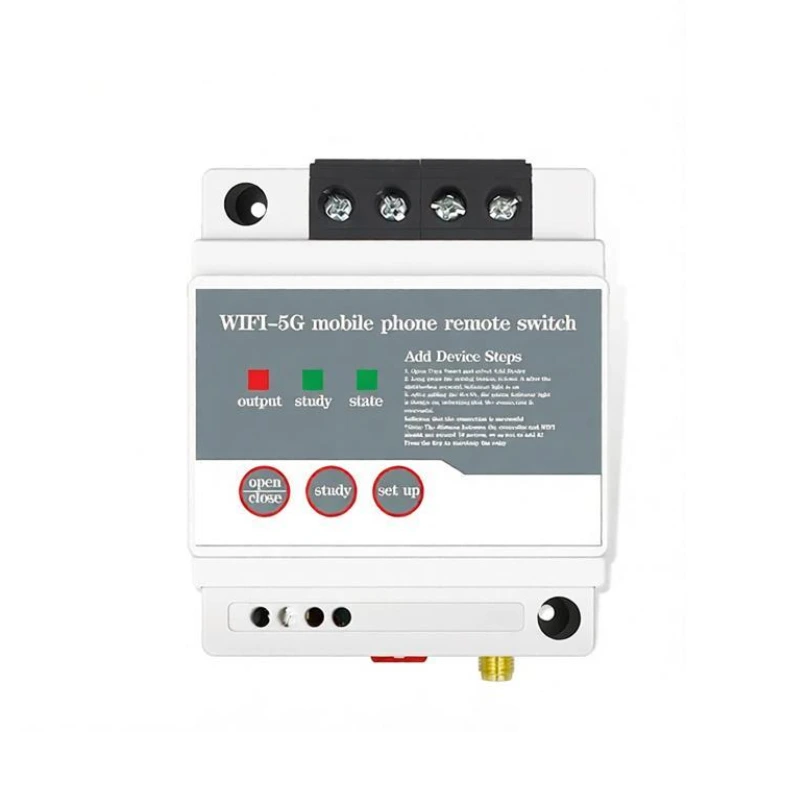
In protected agriculture scenarios such as greenhouses, IoT systems deploy various sensors for soil temperature and humidity, air temperature and humidity, light, and CO2 concentration to collect environmental data in real time and upload it to a cloud management platform. Based on preset thresholds and intelligent algorithms, the platform automatically controls the start and stop of equipment such as fans, wet curtains, skylights, and integrated water-fertilizer machines, achieving precise regulation of environmental parameters. The smart temperature-controlled greenhouses in Qingdao West Coast New Area utilize this model to achieve full-process soilless cultivation of vegetables. The integrated water-fertilizer system provides precise supply, which not only saves over 80% of manual management costs but also increases vegetable yield by more than 30%. The practice at the Modern Agricultural Park in Chenji Town, Yizheng City, Yangzhou, Jiangsu Province, is even more representative. Its smart agriculture command center monitors various data from 200 mu (about 13.3 hectares) of farmland in real time, requiring only one staff member to complete all management tasks, increasing manpower efficiency by dozens of times.
2. Plant Protection Early Warning: Multi-dimensional Monitoring and Advance Prevention for Green Planting
The plant protection informatization monitoring and early warning system integrates subsystems such as intelligent pest forecasting, remote video surveillance, meteorological monitoring, and disease monitoring to build an integrated “space-air-ground” monitoring network for pests, diseases, and disasters. Through light traps for pests and image recognition technology to automatically analyze pest density, combined with meteorological data to predict the spread trends of pests and diseases, it transforms traditional “post-event pesticide application” into “pre-event prevention.” Over 200 sets of intelligent monitoring equipment deployed in Qingdao West Coast New Area have reduced pesticide and water consumption by 20% to 30%. Unmanned farms in Jiangsu Province have achieved precise pesticide application through this system, reducing pesticide use by about 5%. At the same time, it has shortened the response time for pest monitoring from the traditional 24-48 hours to 2-4 hours, effectively reducing the loss rate caused by pests and diseases.
3. Smart Agricultural Machinery: Unmanned Operations Improve Efficiency and Reduce Consumption, Covering the Entire Production Process
The integration of IoT technology and agricultural machinery has catalyzed the rapid development of unmanned farms. Centimeter-level path planning is achieved through BeiDou navigation, combined with real-time transmission of operational data and remote control, covering the entire process of plowing, sowing, management, and harvesting. Jiangsu Province has built 283 “unmanned” farms with a total investment of 872 million yuan. In 2024, 3,643 pieces of smart agricultural machinery completed 3.3492 million mu of operations. The operational efficiency of unmanned tractors, rice transplanters, and harvesters has increased by more than 30%, saving about 300 yuan per mu and increasing yield by about 50 jin (25 kg). The self-propelled boom sprayer in Qingdao West Coast New Area can complete the operation of 100 mu of wheat fields in 1 hour, which is more than 50 times more efficient than traditional manual labor. The operational efficiency of certified plant protection drone operators is even 20 times that of traditional manual labor.
II. Circulation and Trust End: Data Connects Production and Sales, Reshaping Consumer Trust
IoT technology has broken down the information barriers between agricultural production and the consumer end. Through e-commerce data empowerment and full-process traceability, it achieves precise matching between production and sales, controllable quality and safety, and enhances the added value of the agricultural industry.
1. Smart E-commerce: Data Empowers Production-Sales Matching, Opening New Paths for Poverty Alleviation
Unlike traditional e-commerce platforms, IoT-empowered agricultural e-commerce takes production-end data as its core competitiveness. Through production management and industrial service data accumulated by the agricultural IoT platform, it achieves precise promotion and transaction matching of agricultural products. The platform integrates functions such as production monitoring video and VR immersive experience to intuitively display the planting process, significantly enhancing consumer trust. Data shows that the conversion rate of agricultural product e-commerce pages connected to IoT data is 25%-35% higher than that of ordinary pages, and the online sales volume of high-quality agricultural products in impoverished areas has increased by an average of 60%-80%, effectively driving income growth for impoverished groups through market mechanisms. As of 2024, the “Nongshi Zhitong” (Direct Access to Farming) App promoted by the Ministry of Agriculture and Rural Affairs has 1.08 million registered users, and the “Quannong Code” (Full Agriculture Code) has issued over 2.276 billion codes, providing solid support for the connectivity of production and sales data.
2. Full-Process Traceability: Building an Integrity System and Ensuring Quality and Safety
The IoT traceability system builds a full-lifecycle traceability chain of “pre-event prevention, in-event monitoring, and post-event handling” by collecting pre-production input information, in-production agricultural operation data, and post-production testing and circulation information. With the traceability platform and big data center as the core, this system simultaneously serves three major entities: government supervision, enterprise quality control, and consumer supervision. The Digital Agriculture, Rural Areas, and Farmers platform in Qingdao West Coast New Area has gathered over 1,500 GB of agricultural data, achieving full-process digital traceability from farmland to harvest. Jiangsu Province has connected over 31,000 smart agricultural machinery equipment terminals through the “Sunong Cloud” platform, making agricultural production data traceable and forcing producers to standardize their operations. Practice shows that the market premium of agricultural products with traceability functions can reach 10%-20%, the compliance rate of enterprise quality control has increased to over 95%, and government supervision efficiency has improved by 50%.
III. Challenges and Outlook: Technological Iteration Drives Industrial Upgrading
Currently, the application of IoT in smart agriculture has achieved remarkable results, but it still faces challenges such as insufficient penetration of technology costs and the need to improve regional adaptability. In response, a comprehensive support system has been established at the national level. As of 2024, it has supported the construction of 116 national smart agriculture innovation and application projects and 34 national digital agriculture innovation centers, released 7 key promoted technologies for smart agriculture, and promoted multiple technological breakthroughs such as crop phenotyping analysis and rapid soil measurement. With the deep integration of 5G, edge computing, and IoT, smart agriculture will accelerate its upgrade towards “precision planting, intelligent decision-making, and large-scale replication” in the future, injecting continuous momentum into the high-quality development of modern agriculture.
IV. Core Conclusions
The empowerment of smart agriculture by IoT is essentially the reconstruction of agricultural production logic, the optimization of circulation efficiency, and the reshaping of consumer trust through full-chain data collection and application. Its value is concentrated in three aspects: the production end achieves cost reduction and efficiency enhancement through precise management and unmanned operations; the circulation end achieves precise matching of production and sales through data empowerment; and the trust end builds a quality and safety system through full-process traceability. Driven by both policy support and technological iteration, IoT will continue to propel smart agriculture from pilot demonstrations to large-scale popularization, becoming the core engine for building an agricultural powerhouse.