Introduction
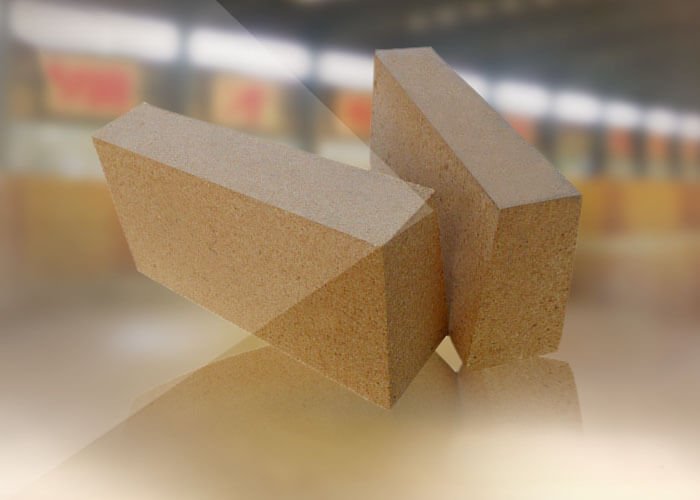
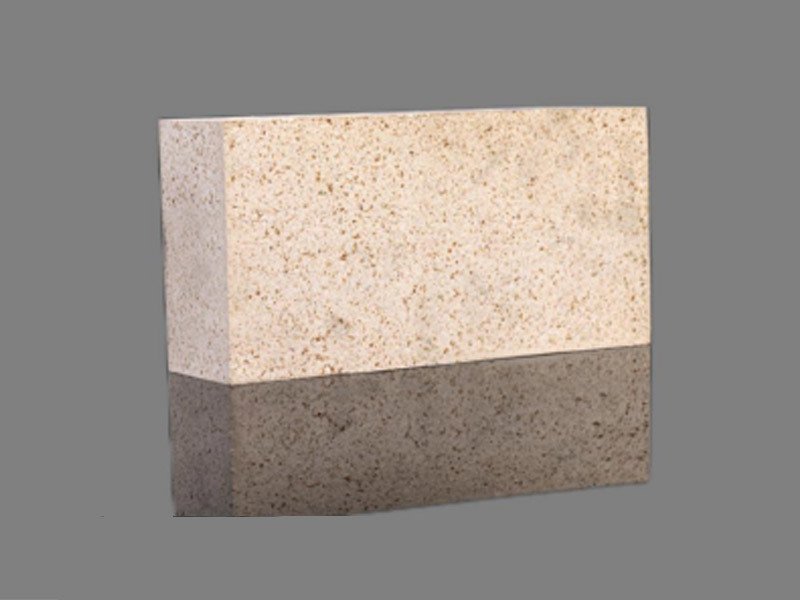
Andalusite bricks are produced by adding a controlled proportion of andalusite and other trace elements to high-alumina raw materials, then forming under high pressure and sintering at elevated temperatures. The andalusite converts to mullite during service, creating a needle-like interlocking microstructure that enhances mechanical strength and thermal shock resistance. These bricks exhibit low porosity, excellent alkali resistance, and outstanding volume stability, making them a preferred choice for high-temperature furnaces requiring long service life and minimal maintenance.
Key Advantages
01
Superior Thermal Shock Resistance
Withstands 25+ cycles of 1100°C water-cooling tests, preventing cracking and spalling under rapid temperature fluctuations.
02
Low Creep at High Temperatures
Maintains structural integrity under sustained high-temperature loads with creep rate ≤0.2% (1400℃×50h), ensuring dimensional stability.
03
High Refractoriness Under Load
Achieves load softening temperature ≥1600℃, delivering reliable performance in the most demanding high-heat zones.
Specification
| Item | Andalusite Brick | Andalusite Brick | Test Condition |
| Al₂O₃(%) | ≥ | 60 | 65 |
| Bulk Density (g/cm³) | 2.45~2.65 | 2.55~2.70 | |
| Permanent Linear Change 3h (%) | 1400℃ | 1450℃ | |
| 0~0.1 | 0~0.1 | ||
| Apparent Porosity (%) | ≤ | 19 | 20 |
| Cold Crushing Strength (MPa) | ≥ | 50 | 60 |
| Load Softening Temperature (°C) | ≥ | 1550 | 1600 |
| Creep Rate 20~50h (%) | ≤ | 1350℃ | 1400℃ |
| 0.2 | 0.2 | ||
| Thermal Shock Resistance 1100°C Water Cooling (cycles) | ≥ | 20 | 25 |
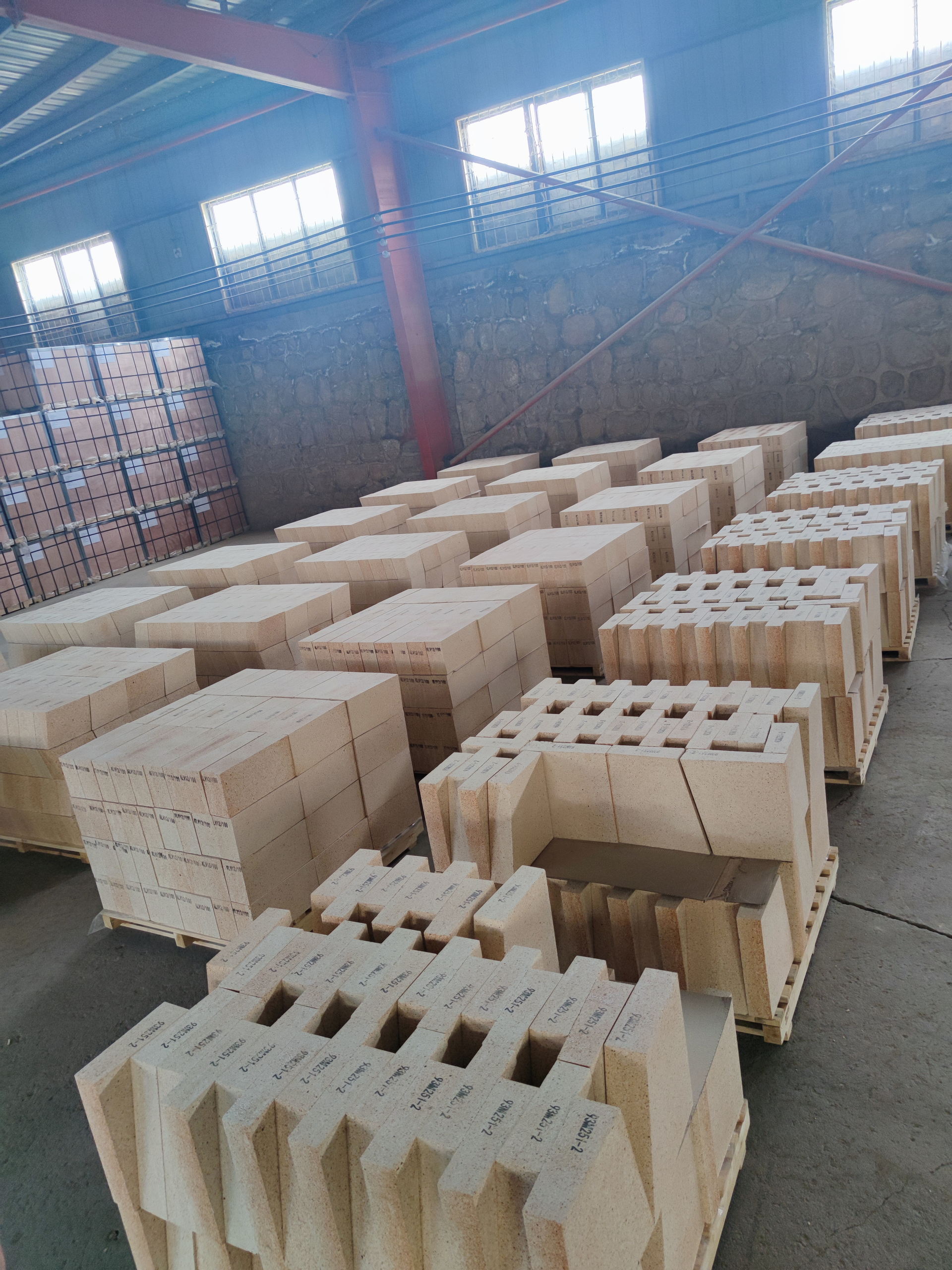
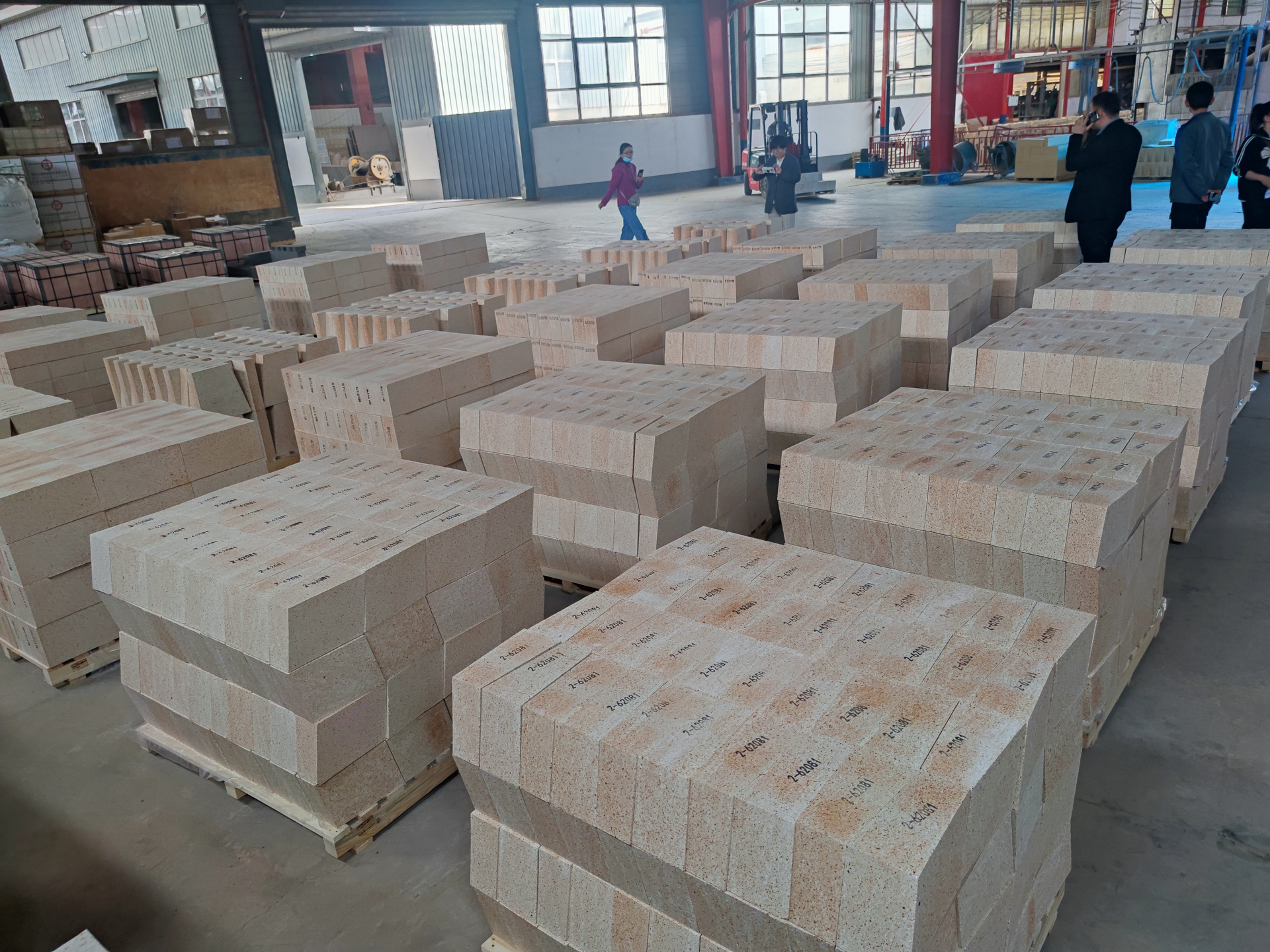
Packaging: Wooden pallet
Precautions: Waterproof and shockproof